Political Campaign Reach by Platform (Millions)
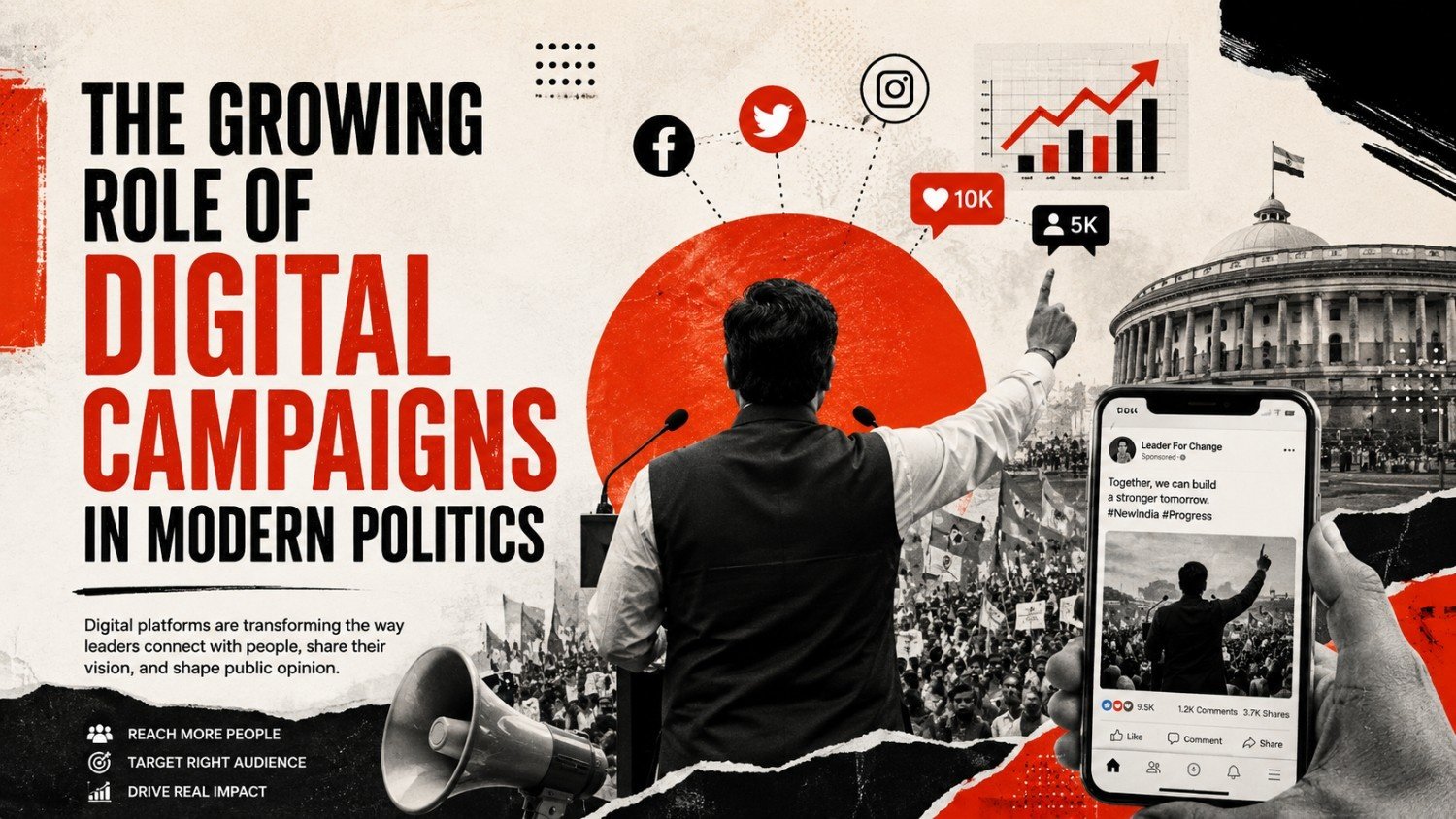
Political campaigns have changed dramatically over the past decade as digital platforms become a primary channel for communication between political leaders and the public. Social media, online advertisements, and live-streamed events now play a significant role in reaching voters of all age groups.
Political parties use digital platforms to share policy announcements, campaign updates, and public speeches instantly. This allows them to engage directly with citizens without relying entirely on traditional media outlets. Voters can also interact with leaders by commenting on posts, participating in online discussions, and sharing their opinions.
Data analytics has become an important part of modern political campaigns. Campaign teams analyze public sentiment, voter interests, and regional issues to create targeted messages that address the concerns of different communities. This helps political organizations communicate more effectively and improve voter engagement.
However, the rise of digital campaigning also brings challenges. The spread of misinformation, fake news, and manipulated content can influence public opinion and create confusion. Governments, technology companies, and election authorities continue to explore ways to improve transparency and encourage responsible online communication.
Despite these challenges, digital technology has made political participation more accessible. Citizens can easily follow government announcements, understand policy proposals, and stay informed about election-related developments through their smartphones and computers.
As technology continues to evolve, digital campaigns are expected to become even more interactive through artificial intelligence, data-driven communication, and real-time public engagement. Political organizations that balance innovation with transparency are likely to build stronger relationships with voters in the future.